
DIY Home Projects: Easy Ideas to Transform Your Home on a Budget
DIY home projects have become a practical way for homeowners and renters to improve their living spaces without spending a fortune on professional services. From refreshing a tired wall to building useful storage, simple do-it-yourself improvements can make a home feel more comfortable, organized, and personal. The best part is that many projects do not require advanced construction skills or expensive equipment. With a little planning, the right materials, and enough patience, beginners can complete surprisingly impressive upgrades.
Whether you want to improve your bedroom, kitchen, living room, bathroom, or outdoor area, there are plenty of creative possibilities. Some projects focus on appearance, while others solve everyday problems such as limited storage, poor organization, or outdated fixtures. This guide explores practical DIY home projects that can add character and function while keeping costs under control. It also explains how to choose the right project, avoid common mistakes, work safely, and get better results even when you are starting with very little DIY experience.
What Are DIY Home Projects?
DIY home projects are improvements, repairs, decorations, or upgrades completed by homeowners or other residents instead of hiring a professional for every task. These projects can range from simple decorative changes to more involved improvements involving wood, paint, hardware, or basic tools.
The main attraction is flexibility. You can choose a project based on your budget, available time, skill level, and the needs of your home. A beginner might start with painting furniture or creating wall decorations, while someone with more experience could build shelving, upgrade a workspace, or improve an outdoor area.
DIY projects can also provide a sense of achievement. Instead of simply purchasing a finished product, you create something that fits your space and preferences. This personal element is one reason do-it-yourself home improvement continues to appeal to people looking for affordable and meaningful ways to change their surroundings.
Why DIY Home Projects Are Worth Trying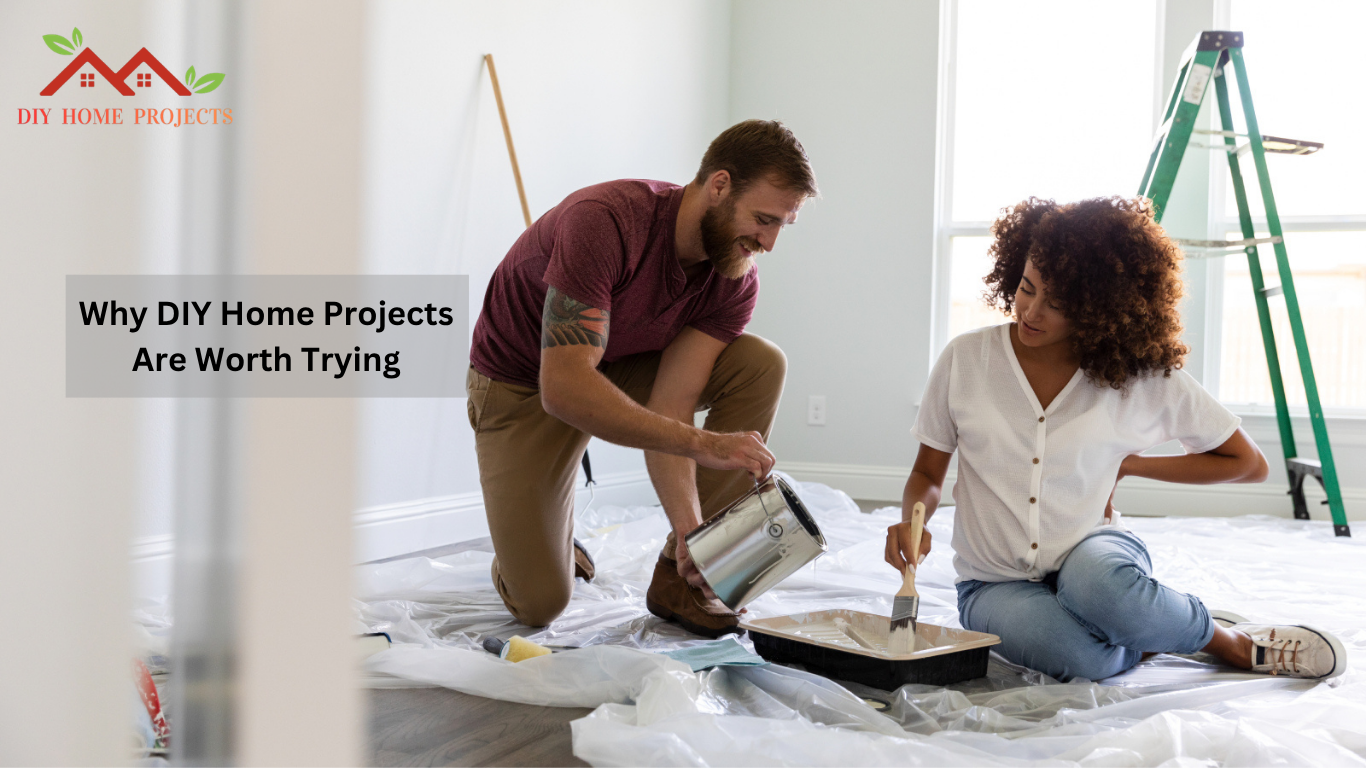
One of the biggest advantages of DIY home improvement is cost control. Labor can represent a significant part of the price of a home upgrade, particularly for small jobs. Completing suitable tasks yourself can reduce those costs and allow more of your budget to go toward quality materials, tools, or future improvements.
Another advantage is customization. Store-bought furniture and decorations are designed for general consumers, so they may not perfectly match the dimensions or style of your home. A DIY solution can be adjusted to suit an awkward corner, unusual wall size, preferred color scheme, or specific storage requirement.
DIY projects can also make a space more functional. A simple shelf may eliminate clutter, a customized desk can improve a home office, and better organization in a kitchen can make everyday cooking easier. The most valuable projects are often those that combine visual improvement with a practical purpose.
Easy DIY Home Projects for Beginner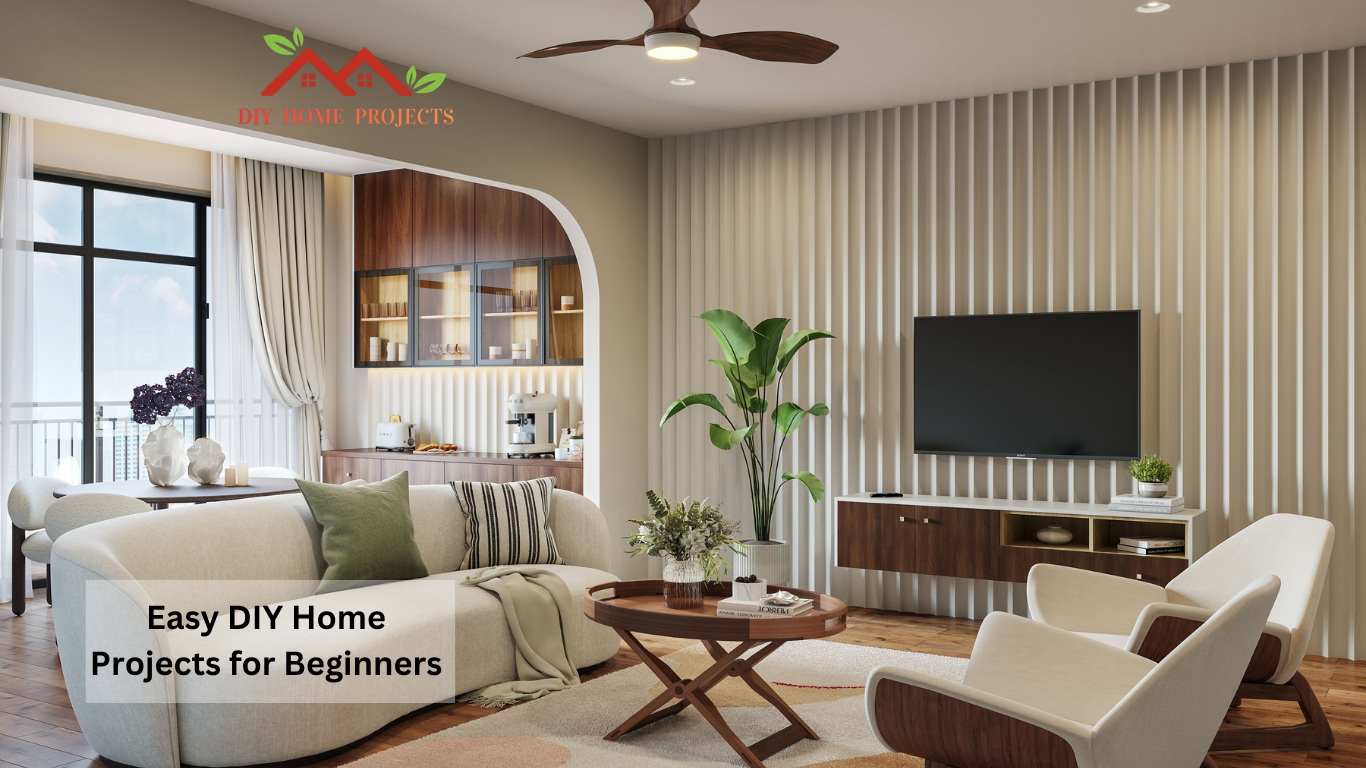
Refresh a Room With Paint
Painting is one of the simplest ways to change the appearance of a room. A fresh color can make an older space feel cleaner and brighter without requiring major construction. You can paint an entire room, create an accent wall, or refresh a smaller area such as a hallway.
Preparation is more important than many beginners expect. Clean the surface, repair obvious holes, protect floors and furniture, and use suitable primer when necessary. Taking time to prepare the room usually produces a much smoother finish than rushing directly into painting.
Create Simple Floating Shelves
Floating shelves can add storage while keeping walls visually clean. They work particularly well in bedrooms, kitchens, bathrooms, living rooms, and home offices. Shelves can display books, plants, photographs, small decorations, or everyday items.
Before installing shelves, measure the wall carefully and identify suitable mounting points. The weight of the items you intend to place on the shelf should also influence your hardware choice. A shelf that looks attractive but cannot safely support its contents is not a successful home improvement.
Upgrade Old Furniture
Replacing old furniture can become expensive, but refreshing existing pieces is often much cheaper. A dated wooden table, cabinet, chair, or small dresser may look completely different after cleaning, sanding, painting, or replacing its handles.
The key is to choose furniture that is structurally sound. Cosmetic damage can often be improved, but serious instability, major cracks, or extensive damage may require professional repair. For suitable pieces, a modest makeover can create a personalized item that looks far more expensive than it actually was.
DIY Home Projects for the Kitche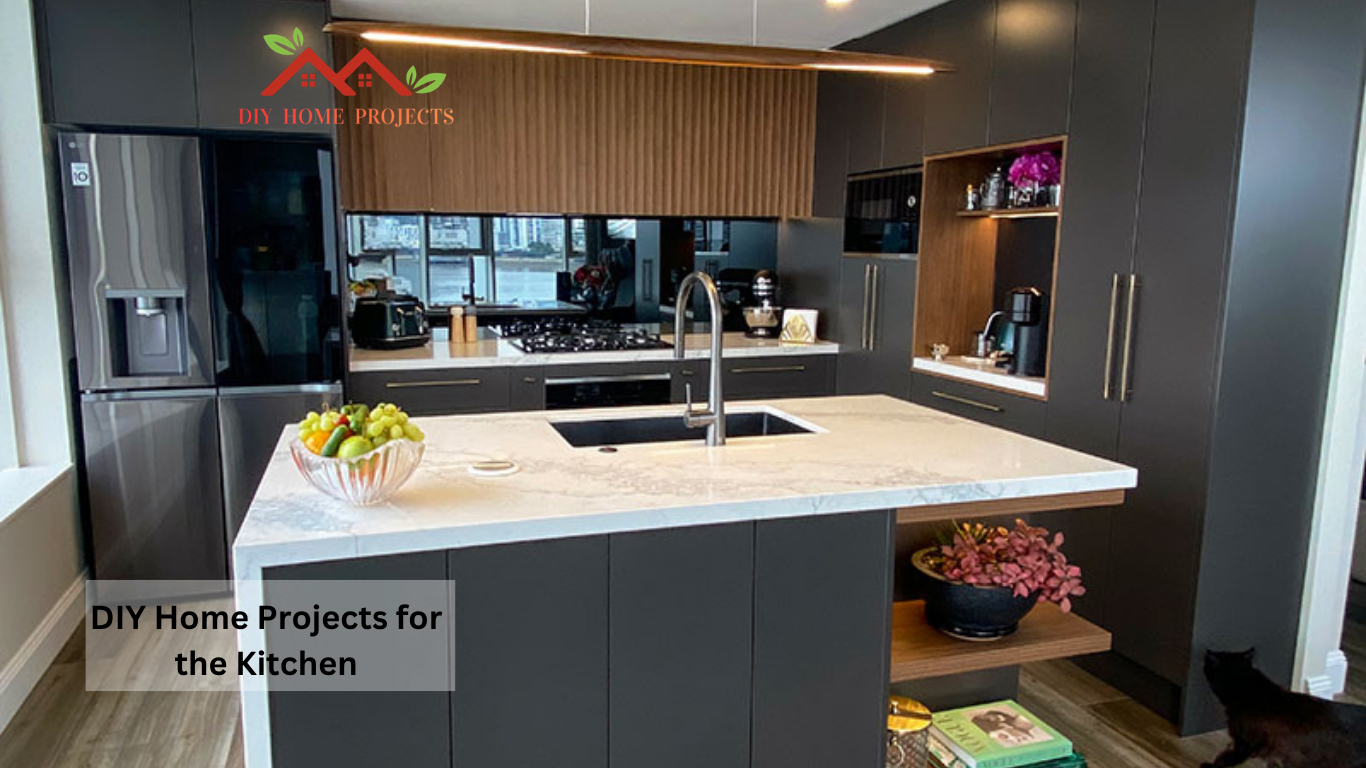
Build a Simple Kitchen Organizer
Kitchen counters can quickly become crowded with utensils, containers, spices, and appliances. A customized organizer can make better use of available space while keeping frequently used items accessible.
The design does not have to be complicated. A narrow wooden rack, wall-mounted storage system, or compartment organizer can solve a specific problem without requiring a complete kitchen renovation. Measure the available space before choosing the design so that the finished project actually fits.
Refresh Cabinet Hardware
Replacing cabinet handles and knobs is a small change that can create a noticeable visual difference. New hardware can give older cabinets a cleaner, more modern appearance without replacing the doors themselves.
When choosing replacements, pay attention to measurements. Existing holes should match the new hardware, or you may need additional preparation. Keeping the style consistent throughout the kitchen also helps the finished result look intentional rather than mismatched.
Create a Coffee or Breakfast Station
A small unused section of a kitchen can become a dedicated coffee or breakfast station. A compact shelf, tray, hooks, and attractive containers can turn a cluttered corner into an organized area.
This type of DIY project is especially useful because it combines decoration with convenience. Everyday items remain in one location, making the morning routine easier while reducing unnecessary counter clutter.
DIY Home Projects for the Living Room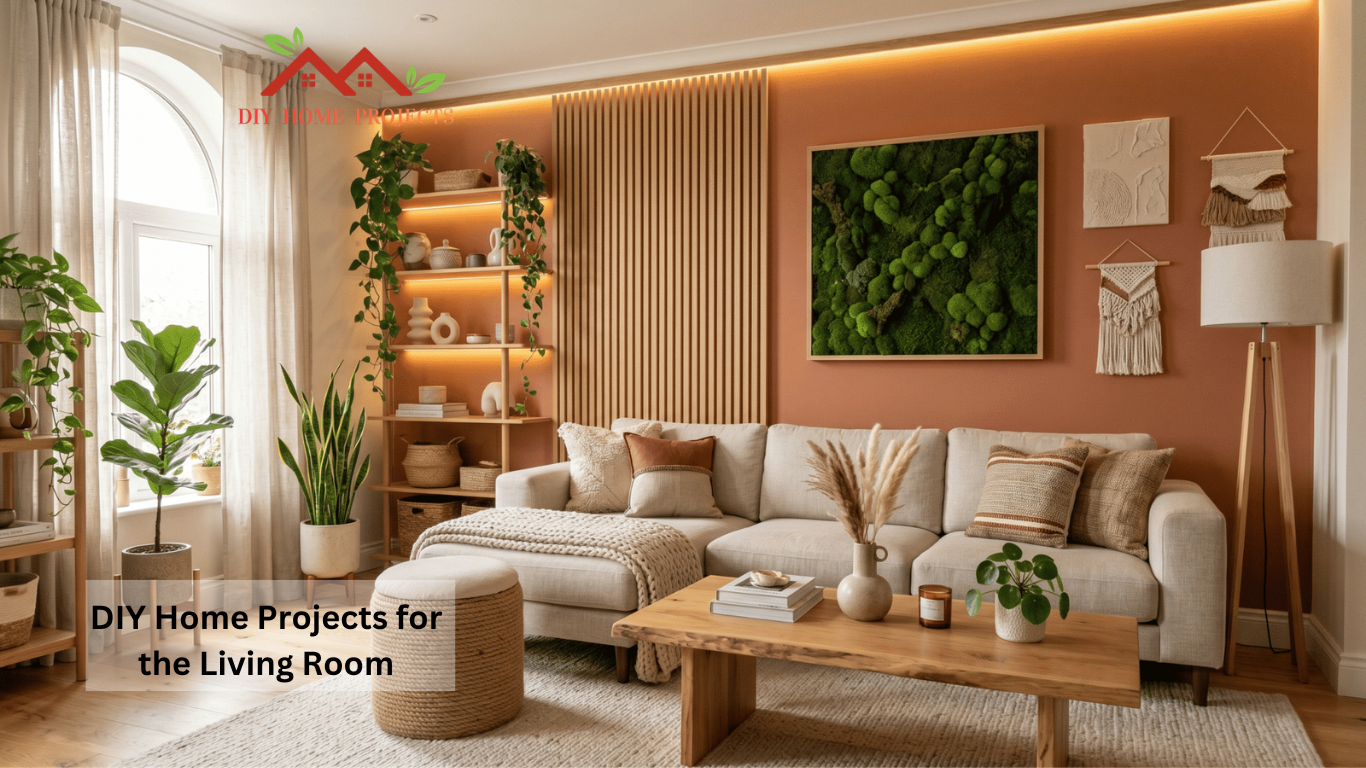
Make a Personalized Gallery Wall
A gallery wall can transform a plain wall into a focal point. Instead of purchasing expensive artwork, you can combine family photographs, inexpensive prints, illustrations, mirrors, or handmade pieces.
Planning the arrangement before putting anything on the wall is important. Lay the frames on the floor first and experiment with spacing. A balanced arrangement generally looks more polished than randomly placing frames as you go.
Create a Simple Entertainment Unit
An entertainment area often becomes cluttered with devices, controllers, cables, books, and accessories. A simple DIY console or shelving system can provide dedicated storage while improving the appearance of the room.
Cable management should be considered during the design stage rather than added as an afterthought. Small openings, clips, or concealed channels can keep wires organized and make cleaning easier.
Add a DIY Accent Feature
If you want a stronger visual change without remodeling the entire room, consider creating one accent feature. This could involve a painted wall design, decorative molding, wood paneling, or another suitable surface treatment.
The goal is not to cover every wall with decoration. A single carefully planned feature can provide enough visual interest while keeping the rest of the room simple and balanced.
DIY Home Projects for the Bedroom
Build a Simple Bedside Table
A basic bedside table can be a useful project for someone learning beginner woodworking. A straightforward design can include a flat top, four supports, and an optional lower shelf.
The advantage of building your own table is that you can select the exact height and width needed for the room. You can also finish it in a color or material that matches the existing furniture.
Create Under-Bed Storage
Unused space beneath a bed can provide valuable storage. Simple storage boxes, wooden compartments, or appropriately sized containers can hold seasonal clothing, bedding, shoes, or other items.
Before building anything, measure the available clearance carefully. Storage that is too tall may not slide underneath the bed, while containers without handles can be difficult to remove.
Make a Small Reading Corner
A quiet reading corner does not require a large room. A comfortable chair, small table, suitable lighting, and a few shelves can create a useful personal area.
Soft furnishings can add comfort, while a focused light source makes the space more practical. Choosing a location away from heavy foot traffic can also make the corner feel more relaxing.
DIY Bathroom Improvement Idea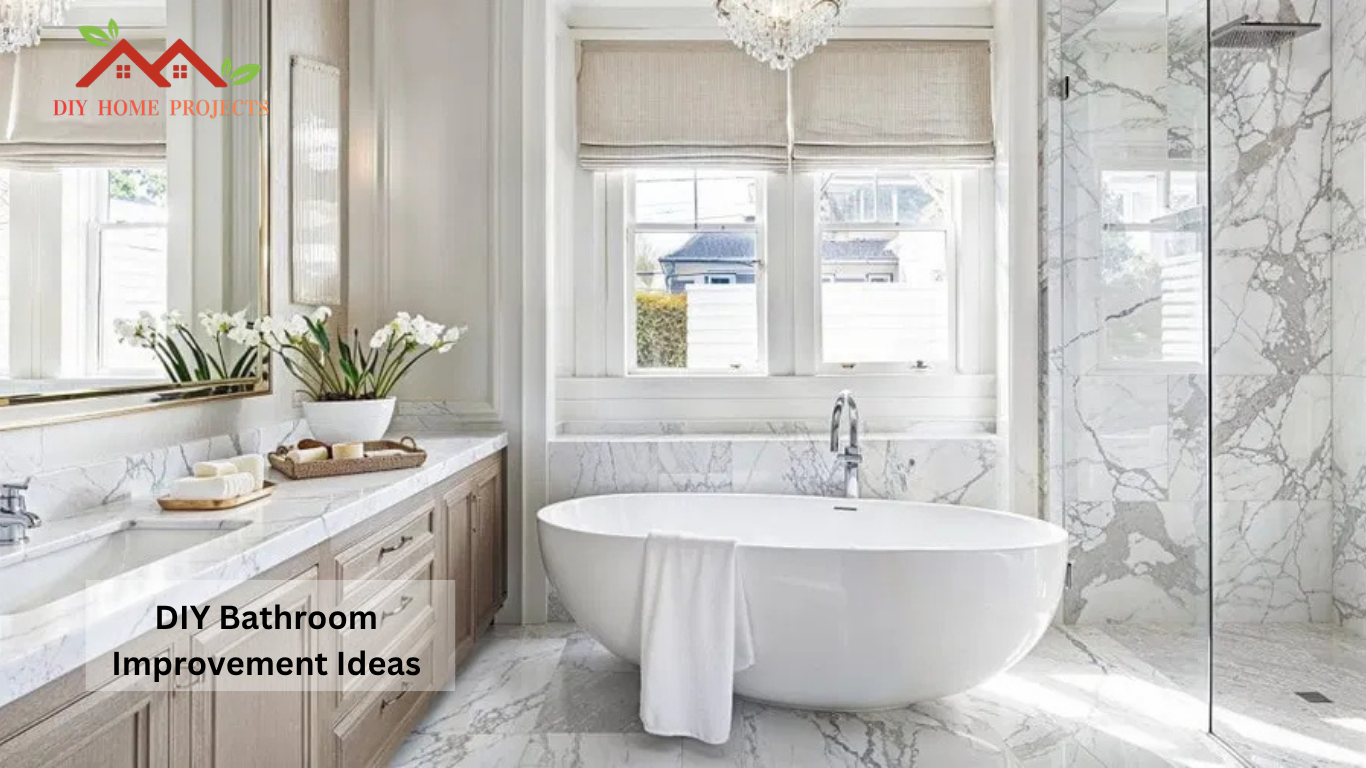
Bathroom projects require extra attention because moisture can damage unsuitable materials and create safety concerns. Cosmetic improvements are usually more appropriate for beginners than plumbing or electrical modifications.
A simple improvement could involve creating better storage for towels and toiletries. Wall-mounted organizers, small shelves, or decorative containers can make limited bathroom space easier to manage.
Another affordable option is refreshing suitable bathroom accessories. Coordinating storage containers, hooks, mirrors, and other non-structural elements can give the room a more organized appearance without requiring major renovation work.
DIY Outdoor Home Projects
Outdoor areas offer many opportunities for creative improvements. A small patio, balcony, garden, or entrance can become more useful with simple seating, planters, storage, or decorative features.
A beginner-friendly project is creating a compact planter display. Reusing suitable containers or building simple planter boxes can add greenery while making an outdoor area feel more welcoming. Materials should be appropriate for outdoor conditions so that moisture and sunlight do not cause rapid deterioration.
Another useful project is a basic outdoor storage solution. A weather-resistant box or shelving arrangement can provide space for gardening supplies and other items that would otherwise remain scattered around the yard or balcony.
How to Choose the Right DIY Project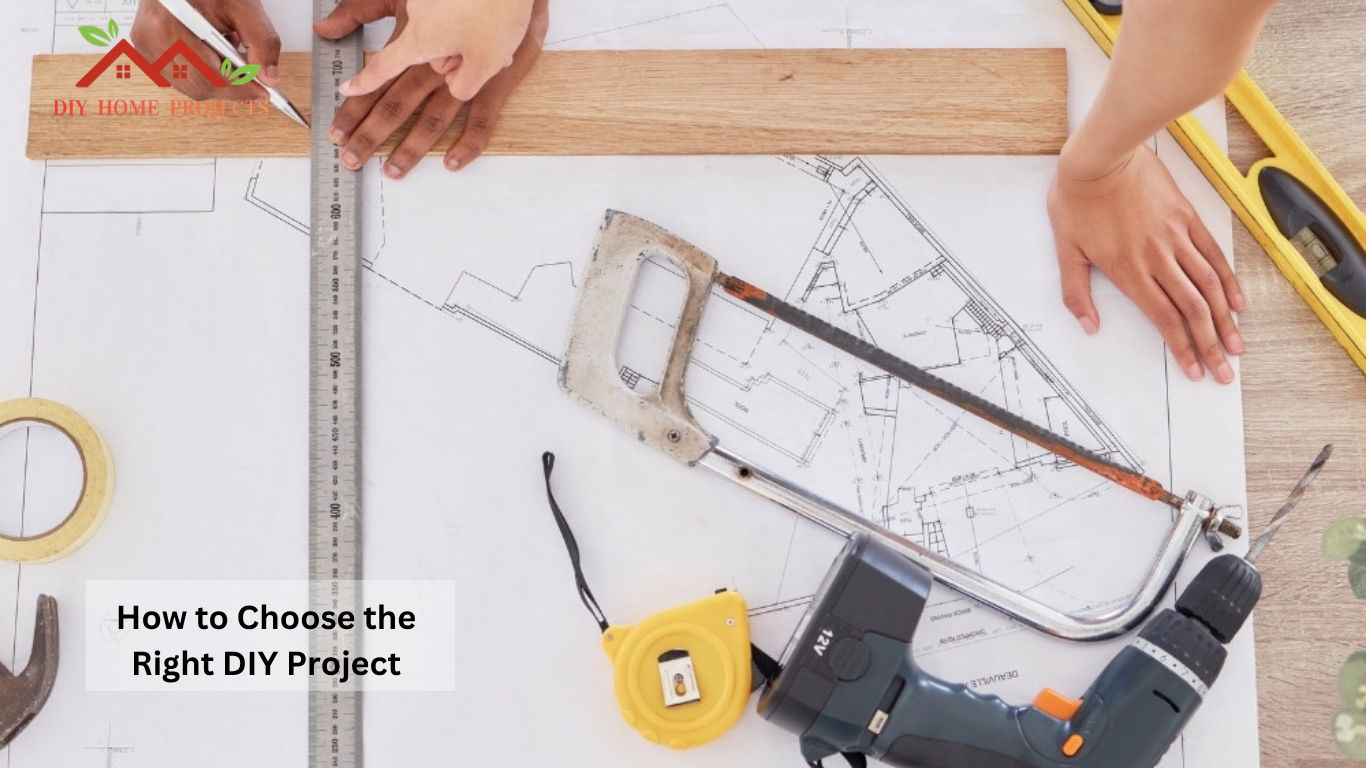
The best DIY home project is not necessarily the most impressive-looking one. It is the project that matches your current skills, available time, budget, tools, and actual household needs.
Beginners should generally start with projects that have a low safety risk and a clear endpoint. Painting, organizing, decorating, and simple furniture improvements can provide useful experience before moving toward more complicated construction.
It is also smart to calculate the total project cost before starting. Include materials, hardware, finishing products, replacement parts, and any tools you genuinely need. A project advertised as inexpensive can become costly if you buy equipment that you will rarely use.
Tools Every DIY Beginner Should Conside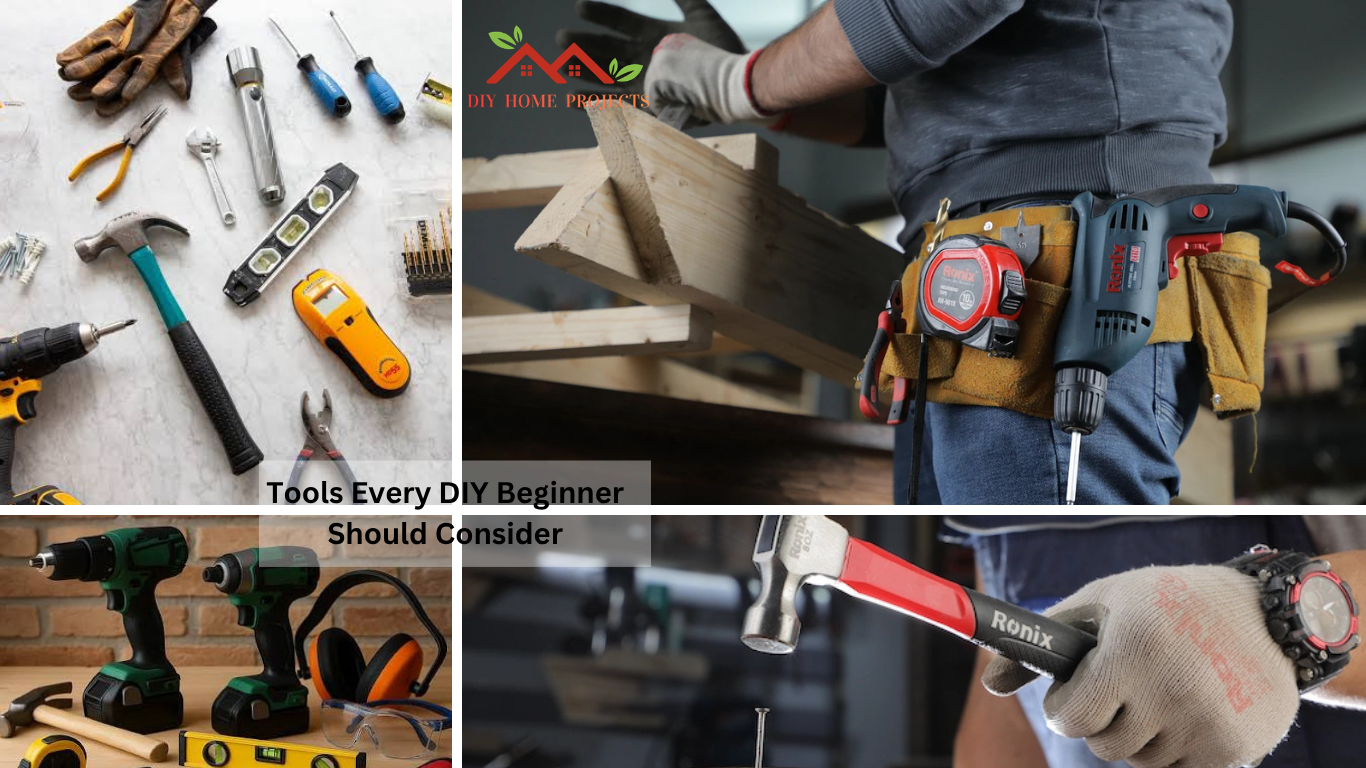
A basic DIY toolkit can support many small household projects. Useful equipment may include a tape measure, screwdriver set, hammer, level, utility knife, pliers, drill, measuring pencil, safety glasses, and suitable protective equipment.
The correct tool depends on the project. Buying the cheapest possible tool is not always the best approach, but beginners also do not need a professional workshop for simple tasks. Start with versatile tools and expand your collection as your skills and projects develop.
Learning how to use each tool correctly is just as important as owning it. Read manufacturer instructions, understand the limitations of the equipment, and use appropriate protective gear whenever the task requires it.
Common DIY Home Improvement Mistake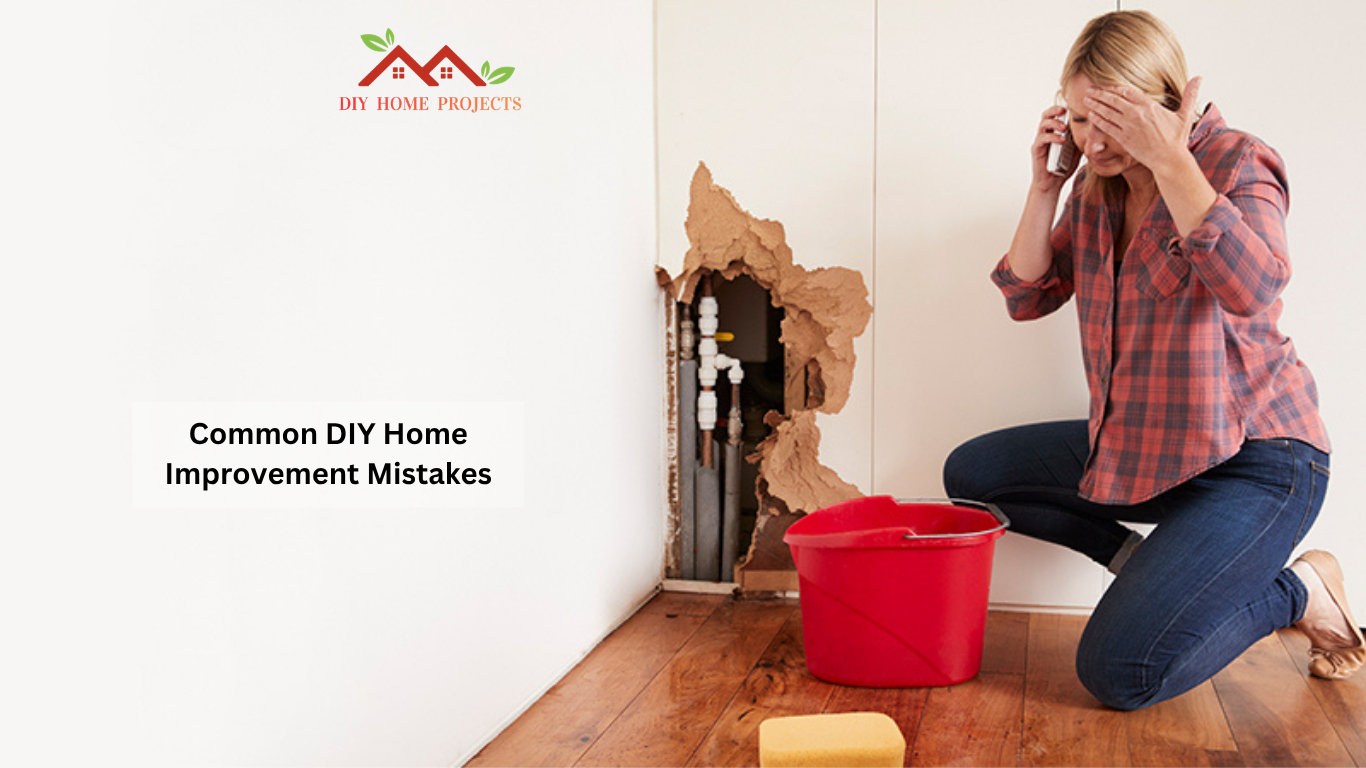
One common mistake is starting without a clear plan. Measurements, material requirements, tools, and finishing steps should be considered before work begins. Small planning errors can lead to wasted materials and frustrating delays.
Another mistake is underestimating preparation. Paint may not adhere properly to a dirty surface, shelves may become unstable when installed incorrectly, and furniture finishes may look uneven when surfaces are not properly prepared.
Safety should never be sacrificed to save time or money. Projects involving electrical systems, major plumbing, structural changes, gas lines, roofing, or other serious hazards may require qualified professionals. Knowing when not to DIY is an important part of becoming a responsible DIY enthusiast.
How to Make DIY Projects Look Professiona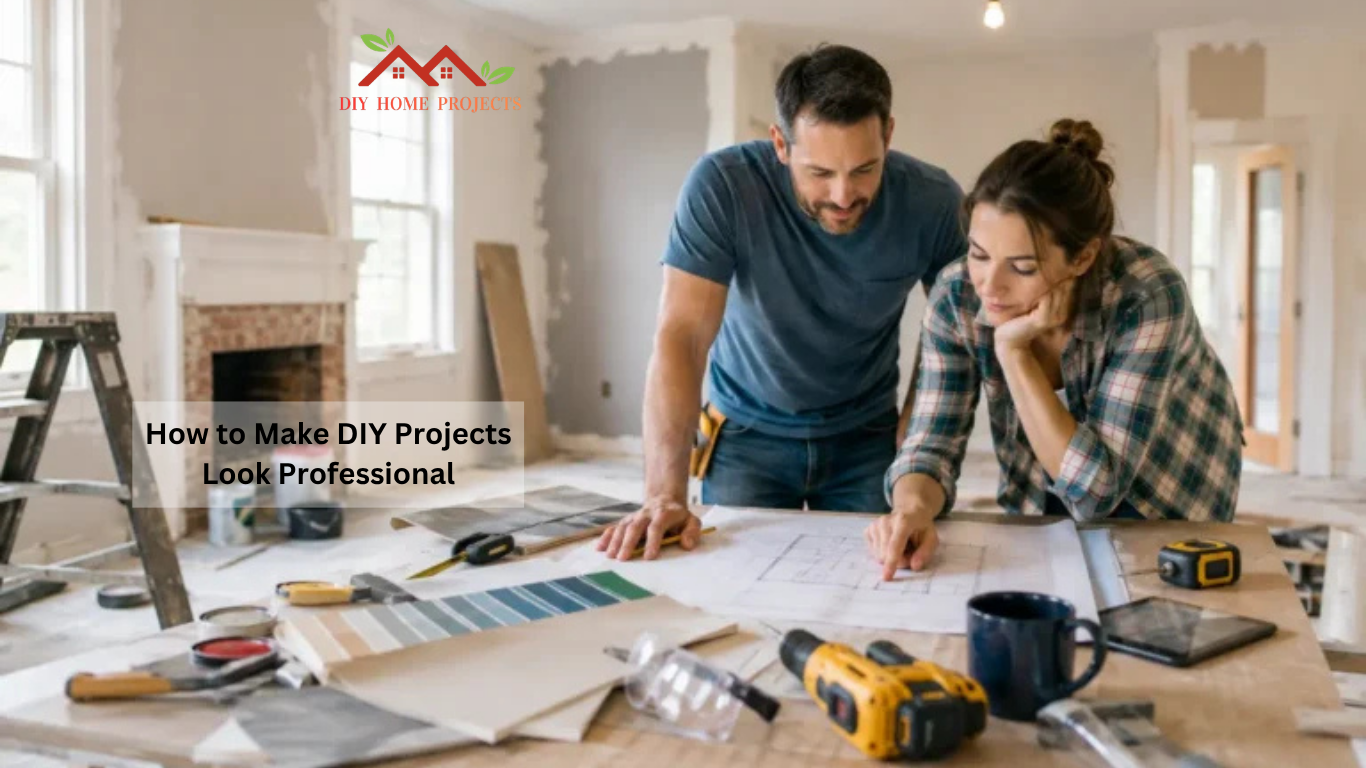
Professional-looking results usually come from careful preparation rather than complicated techniques. Accurate measurements, clean edges, proper alignment, appropriate hardware, and sufficient drying or curing time can make a major difference.
Do not rush the finishing stage. Sanding, filling small imperfections, applying appropriate coats, and checking the final alignment may take longer than expected, but these details often determine whether a project looks homemade in a positive way or simply unfinished.
It is also helpful to keep the overall style of your home in mind. A DIY project does not need to look exactly like something from a furniture showroom. It should, however, work with the colors, proportions, materials, and design language already present in the room.
Are DIY Home Projects Really Cheaper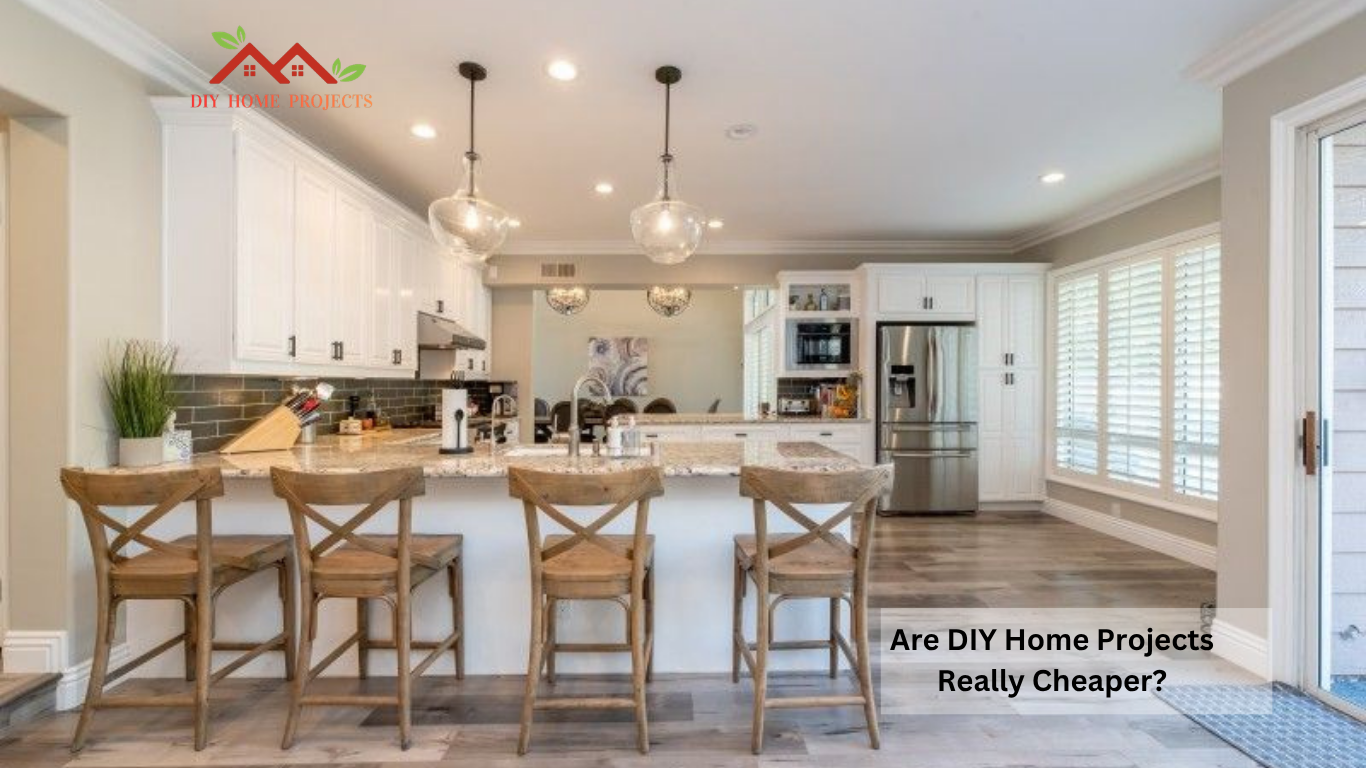
DIY projects can be cheaper when the work is suitable for your skill level and the materials are reasonably priced. Savings can be particularly noticeable on simple decorating, organization, furniture-refreshing, and basic improvement tasks.
However, DIY is not automatically less expensive. Buying specialized tools, making mistakes, or choosing poor-quality materials can increase the final cost. The smartest approach is to compare the total DIY expense with the cost of hiring a professional before beginning.
How Can DIY Projects Add Value to a Home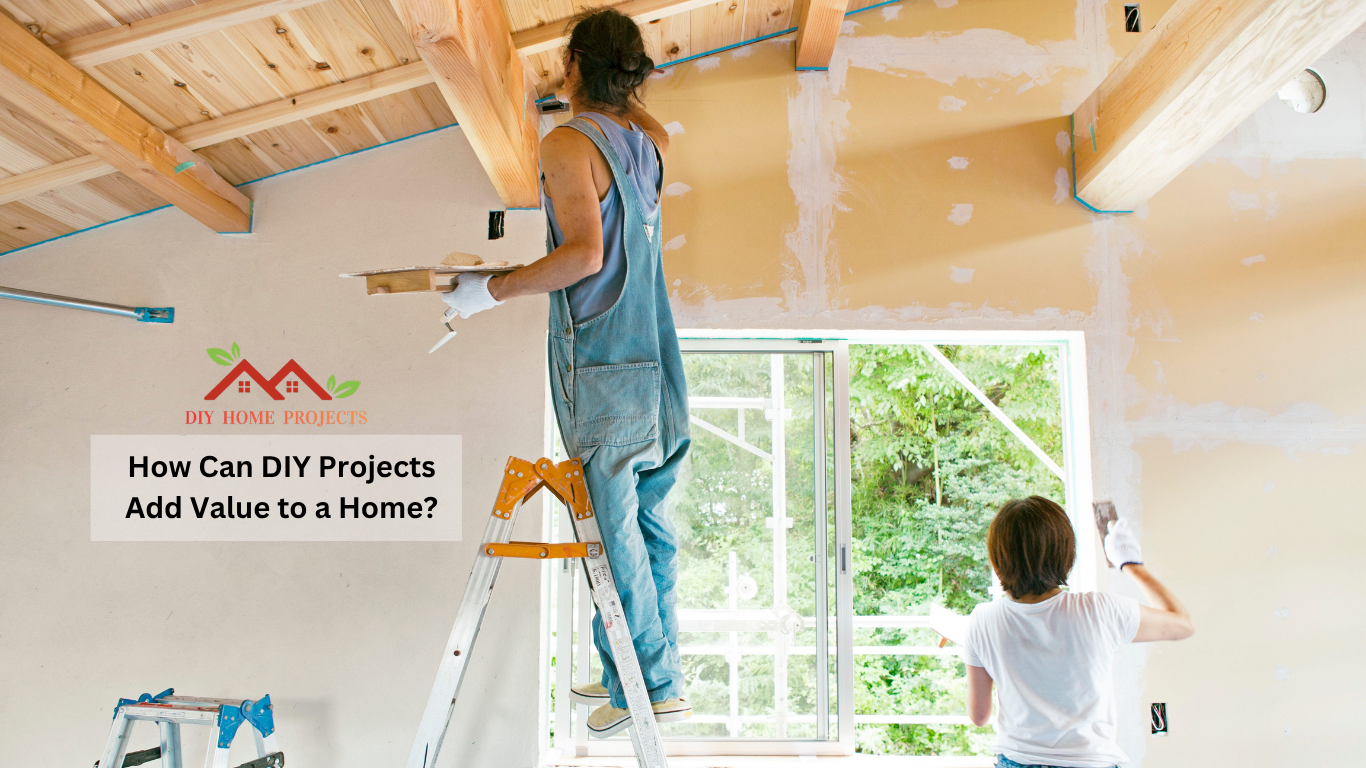
Well-planned improvements can make a home more attractive, functional, and enjoyable to live in. Projects that improve storage, maintenance, organization, lighting, or overall presentation may also contribute to a property’s appeal.
However, not every DIY project increases monetary value. Highly personal designs may appeal to one person but not another. If resale value is important, focus on practical improvements, quality workmanship, durability, and finishes that suit a broad range of preferences.
FAQs
Q1. What are the easiest DIY home projects for beginners?
Painting, furniture refreshing, simple wall decoration, basic organization, and installing suitable shelves are often good starting points because they require relatively simple techniques.
Q2. Can DIY home projects save money?
Yes. DIY can reduce labor costs for suitable tasks, although tools, materials, mistakes, and project complexity should be included when calculating the total expense.
Q3. What DIY project should I start with?
Start with a project that solves a small problem and matches your current skill level. Completing a manageable project successfully is a good way to build confidence.
Q4. Are DIY home projects safe?
Many basic projects are safe when performed correctly, but electrical, structural, gas, major plumbing, and other high-risk work may require qualified professionals.
Q5. How can I make a DIY project look professional?
Careful measurements, good preparation, quality materials, correct tools, clean finishing, and patience are the main ingredients for a polished result.
Conclusion
DIY home projects offer a practical way to make a living space more attractive, comfortable, and functional without automatically committing to a major renovation. From painting and storage improvements to furniture makeovers and outdoor upgrades, even small changes can have a meaningful effect when they are carefully planned.
The best approach is to begin with a realistic project, understand the materials and tools involved, and focus on quality rather than speed. As your experience grows, you can take on more ambitious improvements. Whether your goal is to save money, solve a household problem, or simply create a space that feels more like your own, the right DIY home projects can turn ordinary ideas into useful and satisfying improvements.