

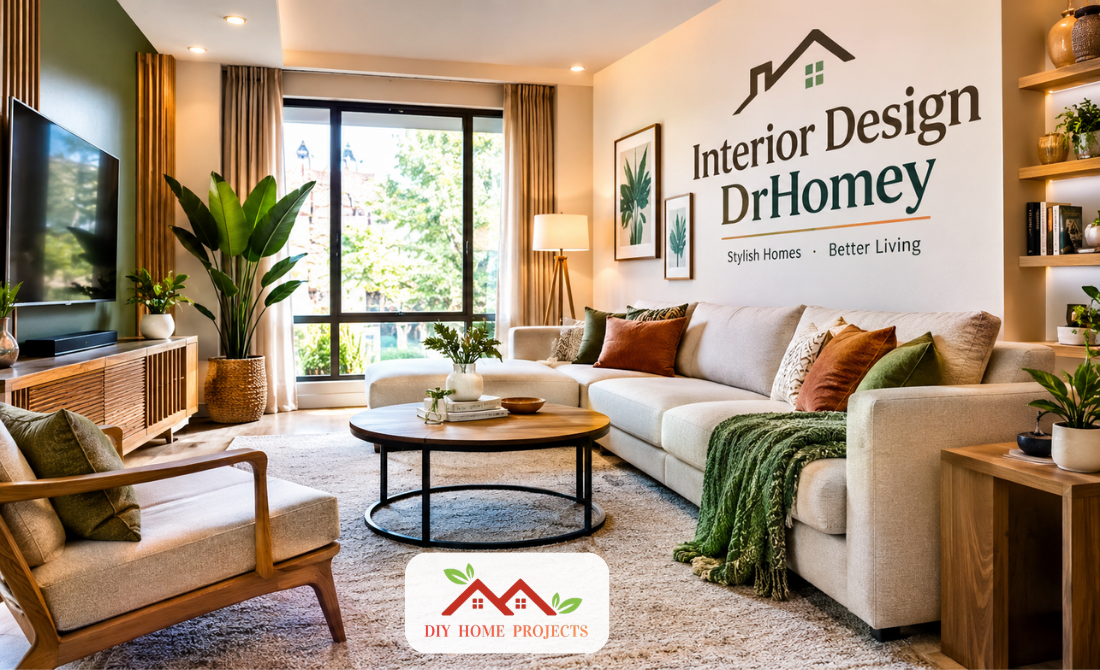
Interior design should make a home look good and work well. Interior design DrHomey focuses on practical ideas such as smart layouts, comfortable furniture, useful lighting, balanced colors, storage, and personal style. You do not need to copy one exact design style. The goal is to create rooms that fit your lifestyle, space, and budget.
What Is Interior Design DrHomey?
Interior design DrHomey is commonly used for practical home-design ideas that combine beauty and function. It encourages homeowners to think about how a room is used before choosing furniture, colors, lighting, or décor. This makes the design more personal and easier to live with.
Start With Your Space
Before buying anything, measure the room. Check wall lengths, doors, windows, outlets, and existing features. A simple floor plan can help you avoid furniture that is too large or too small. Good design starts with the space you already have.
Choose a Functional Layout
Furniture should support movement and daily activities. Keep walkways clear and give important pieces enough breathing room. In a living room, arrange seating around a useful focal point. In a bedroom, keep comfortable space around the bed and storage areas.
Pick a Simple Color Palette
Use a main color, a supporting shade, and a few accent colors. Warm neutrals, soft greens, natural browns, and muted blues can create a calm look. Always test paint in your actual room because natural and artificial light can change how colors appear.
Improve Lighting
Lighting can change the atmosphere of a room. Use three layers when possible: general lighting, task lighting, and accent lighting. Bedrooms benefit from soft lamps, kitchens need strong task light, and living rooms can use a combination of ceiling, floor, and table lights.
Make Small Rooms Feel Bigger
Small spaces need careful furniture selection. Choose pieces that fit the room instead of filling every corner. Wall shelves, storage beds, nesting tables, mirrors, and multifunctional furniture can save space. Light colors and open floor areas can also make a room feel less crowded.
Mix Furniture and Textures
A room can look more interesting when different textures work together. Combine wood, fabric, metal, glass, rugs, cushions, curtains, and plants. You do not need matching furniture everywhere. Repeating a few colors or materials can create a more connected look.
Add Personal Style
Your home should reflect the people who live there. Use family photographs, artwork, books, plants, travel pieces, or other meaningful objects. Personal details often make a room feel warmer than expensive decorations alone.
Design on a Budget
You do not have to redesign everything at once. Start with the biggest problem in the room. Improving lighting, moving furniture, changing textiles, adding storage, or repainting can create a noticeable difference without a complete renovation.
Budget-friendly ideas:
- Rearrange existing furniture
- Replace outdated light fixtures
- Add a large rug or curtains
- Improve storage
- Refresh wall color
- Add plants and artwork
- Replace small accessories instead of major furniture
Sustainable Interior Design
Choose durable products that can stay useful for years. Reusing good furniture, buying quality second-hand pieces, reducing unnecessary décor, and selecting long-lasting materials can lower waste. Sustainable design is often about buying less and choosing better.
2026 Interior Design Ideas
Current design inspiration continues to include warm neutrals, natural materials, flexible furniture, layered lighting, personalized décor, and multifunctional rooms. Trends can be useful for ideas, but they should not control every decision. Choose trends that improve the way you actually use your home.
Room-by-Room Ideas
Living Room: Focus on comfortable seating, a clear focal point, storage, and layered lighting.
Bedroom: Use calming colors, soft lighting, practical storage, and enough space around the bed.
Kitchen: Prioritize workflow, storage, durable surfaces, and task lighting.
Bathroom: Choose practical materials, good lighting, ventilation, and easy-to-clean surfaces.
Home Office: Consider desk position, natural light, comfortable seating, storage, and cable management.
Common Design Mistakes
Avoid buying furniture before measuring, using too many colors, blocking windows, ignoring lighting, and filling every surface with décor. Another common mistake is following a trend that does not match your lifestyle. A beautiful room can still be frustrating if it is difficult to use.
Interior Design DrHomey: Pros and Cons
Pros
- Combines style with everyday function
- Works with different budgets
- Can fit many design styles
- Encourages thoughtful planning
- Supports personalized spaces
Cons
- Online advice cannot fully understand every home
- Major renovations may need professional help
- Trend-based designs can become outdated
- Poor measurements can lead to expensive mistakes
A Simple Design Process
Use this five-step process for almost any room:
- Measure the space.
- Decide what the room must do.
- Plan furniture placement.
- Choose colors and materials.
- Add lighting, storage, and personal décor.
Do not try to complete everything in one day. Build the room in stages and review how it works before making the next purchase.
Useful Questions to Ask
Before finalizing a room, ask yourself:
- Can people move around easily?
- Is there enough useful storage?
- Does the lighting work at night?
- Are the furniture sizes appropriate?
- Do the colors and materials work together?
- Does the room feel comfortable as well as attractive?
These questions can prevent many common design problems.
FAQs
Q1. What is Interior Design DrHomey?
It refers to practical interior-design ideas that balance appearance, comfort, function, and personal style.
Q2. How can I improve my home without remodeling?
Start with furniture placement, lighting, paint, textiles, storage, and décor before considering major construction.
Q3. What is the most important part of interior design?
A successful room should fit the way you live. Function, comfort, scale, and lighting are just as important as appearance.
Conclusion
The main idea behind interior design DrHomey is simple: design your home for real life. Measure first, plan the layout, choose a manageable color palette, improve lighting, add useful storage, and bring in personal details gradually. You do not need a huge budget to create a better home. Start with one room, solve its biggest problem, and build from there.
